
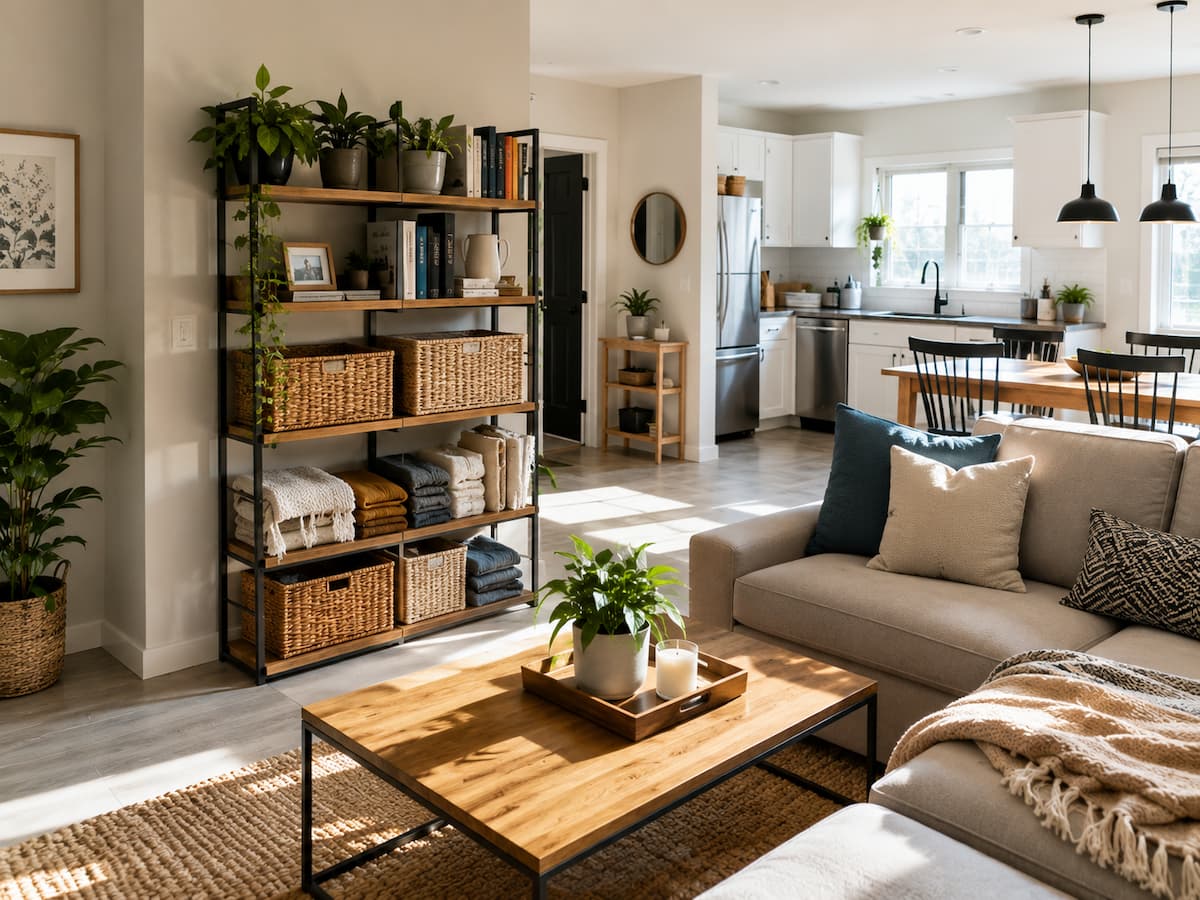
The most significant error novices make is seeing cleaning as a major project instead of a habit. Cleaning after a mess takes longer and requires more energy. Simple systems that reduce mess are superior. Regular small tasks save more time than exhausting occasional cleaning efforts. An organized house need not be a showroom. Simply said, it must benefit residents. The goal isn’t perfection. Making jobs easier, finding things when needed, and creating a comfortable, stress-free atmosphere are the goals.
Start with Simple Cleaning Systems Instead of Motivation
Motivation is erratic. Sometimes you have the energy to clean the whole house, while on other days even minor tasks feel difficult. A cleaning method eliminates that decision every time. Create routines that match your everyday life instead of wondering when to clean. Start by categorizing household tasks as daily maintenance, weekly cleaning, and occasional ones. Daily upkeep includes wiping kitchen surfaces after cooking, putting things back, and cleaning up tiny mistakes before they grow. Cleaning weekly can include vacuuming, changing bed linens, cleaning restrooms, and dusting frequently used areas.
Because they don’t affect daily living, occasional chores are easy to overlook. Cleaning under appliances, rearranging storage, and separating unused items belong here. They don’t need ongoing attention, but scheduling them sometimes avoids neglected regions from becoming tough projects.
Making an ambitious routine is a common mistake. A daily program that involves several hours usually won’t work for someone who struggles to manage a home. Effectiveness is higher with a smaller, consistent regimen. A system that operates during hectic weeks is best.
Give Everything a Useful Home to Reduce Clutter
Many homes don’t feel messy because they’re full. Because ordinary goods have no apparent home, they’re disorderly. Cleaning becomes slower when objects are frequently relocated because every cleaning session is also an arranging session. A dedicated space for frequently used things makes a difference. The entrance can feature small key tray. One convenient spot can hold cleaning products. Instead of in multiple rooms, charging wires can be placed in one drawer. These little choices save time seeking and moving.
Beginning buyers sometimes acquire storage products before knowing what to store. Containers, shelves, and organizers should assist a system, not hide clutter. Even a neatly kept box of unused stuff is clutter.
Home organization can be done by observing what happens naturally. If a chair always gathers clothes, stopping using it may not work. A laundry basket or improved storage for regularly worn clothes may help. Good organization embraces habits rather than resisting them.
Create Small Daily Habits to Avoid Deep Cleaning
The easiest homes to maintain are not always the cleanest. Small upkeep practices prevent difficulties in these properties. A few minutes of attention at the appropriate moment can avoid lengthier cleaning sessions. Example: the kitchen. Cleaning while cooking is easier than afterward. Cleaning a cutting board while cooking, putting materials away, and washing counters before leaving the kitchen reduces later work.
Similar ideas apply to other house spaces. Folding blankets after using the living room, putting shoes at the entryway, and removing surfaces before bed can help the next day start clean. Small deeds influence the whole home’s mood. Avoiding the “all or nothing” approach helps. Even in 10 minutes, you can improve your home. Progress is made by cleaning one surface, organizing one drawer, or putting away one room. Tasks pile up while waiting for the perfect free day.
Improve Home Organization to Make Cleaning Easier
Easy maintenance depends on a home’s architecture. Cleaning problems often get worse when you have to work harder, but changing the surroundings can be a better solution. Even simple chores become cumbersome when frequently used items are hard to access or when storage does not match daily habits.
For instance, storing cleaning supplies in a far part of the house makes it harder to clean up little accidents. Avoiding unnecessary effort by keeping basic supplies where they are needed. A modest basket of basic cleaning supplies makes rapid upkeep easier without a vast collection. Furniture location impacts organization. In rooms with too many objects restricting movement, cleaning is tougher because every duty entails moving things. Leaving space around regularly used areas speeds up vacuuming, dusting, and cleaning.
Storage should reflect lifestyles. Keeping every toy in a different area may be impossible if kids leave them in the living room. If paperwork accumulates on a kitchen counter, a basic document area may be better than shifting it. Good organization eases daily living and housework.
Time- and Energy-saving Cleaning Methods
Cleaning is exhausting when every task starts over. A basic approach to routine tasks reduces decision-making and improves efficiency. To simplify regular maintenance, not develop a cumbersome cleaning program. People spend more time cleaning because they employ inefficient ways. Long-term dust and filth buildup demands more effort than regular cleaning. Allowing clutter to cover surfaces slows cleaning since objects must be relocated first.
Efficiency can be improved with the correct tools. An accessible vacuum is more likely to be utilized than one stored elsewhere. Without cluttering the home, microfiber cloths, modest storage containers, and basic cleaning chemicals can enable regular maintenance. A top-to-bottom room cleaning is also useful. Start with shelves, tables, or other elevated surfaces before cleaning floors to avoid repeated effort. Small enhancements like this save wasted effort and save time.
Manage Clutter Before it Grows
Clutter normally develops slowly. A parcel on a table, clothes on a chair, or old documents stored temporarily may look harmless. Problems arise when transitory decisions become permanent. These tiny choices generate areas that need more attention over time. Making rapid decisions about objects that enter your home ibeneficiall. New things, mail, and home objects should have a purpose, not just build up. This helps in entryways, kitchens, and living rooms where clutter accumulates quickly.
Decluttering doesn’t necessarily mean throwing away. Donating, recycling, or relocating goods to a better area are examples. The goal is to make valuable goods simple to find and keep at home. Organizing everything at once is a mistake. Large decluttering tasks demand many quick decisions, which can be frustrating. Working on one drawer, shelf, or category at a time is easier to handle.
Create a Lifestyle Routine
No cleaning routine works for all households. Singles, families, and long-hour workers have varied needs. The optimal system depends on your schedule, residence, and most-frequent issues. A busy worker may benefit from weekly quick cleaning sessions. For larger duties, another person may prefer to set aside a specific day. If they avoid clutter, both methods can work.
Consider energy levels too. Many people schedule unpleasant household tasks at weary times, making the habit harder to follow. You can improve regularity by matching tasks to your energy. Simple organizing may be easier in the evening, while deeper cleaning may be easier with more time and focus. Successful cleaning should simplify life, not add to it. System maintenance needs to be adjusted if it’s always impossible. Changing the routine is part of establishing a real-world system, not failure.
Common Time-Wasteful Cleaning Mistakes
One of the biggest mistakes is focusing on the visible. If storage is full or stuff is misplaced, a clean room can still have issues. Surface cleaning helps, but long-term organization involves addressing clutter causes. Buying too many cleaning supplies is another problem. Many households have products that do similar things but cause storage issues. A smaller collection of reliable supplies is easier to handle than a larger one that takes up room.
Some wait until they have time to clean. Large cleaning sessions are difficult with this method, which frustrates many. Small duties done consistently keep a home cleaner than delayed ones. Finally, imitating another’s organization can cause issues. A beautiful online system may not fit your lifestyle. Practicality comes before aesthetics in organization.
Simple Long-Term Home Cleaning Method
Cleaning and organizing a home doesn’t take hours every day. Simple habits, clutter reduction, and life-supporting systems usually make the most significant changes. When everything has a place, cleaning is easier. Small modifications typically work best. Returning goods, cleaning up early, and setting realistic routines can progressively improve a home. Minor habits can have a big influence over time because they prevent difficulties from becoming bigger tasks.
The goal is not a clean, clutter-free home. Real dwellings are used, and living naturally causes disarray. Building a home that recovers rapidly without weekly stress-cleaning is the goal. When home cleaning becomes routine, it takes less time and mental energy. You build an environment that naturally promotes a cleaner, more pleasant life instead of combating clutter.
FAQs
1. How much time should I spend cleaning my home every day?
The amount of time depends on your home size, lifestyle, and current level of organization. Many people find that short daily maintenance combined with occasional deeper cleaning works better than relying on long cleaning sessions. The key is consistency rather than a specific number of minutes.
2. How can I keep my home organized if I have very little storage space?
Limited storage requires being more intentional about what enters the home. Using vertical space, keeping frequently used items accessible, and reducing unnecessary belongings can help. Owning fewer unused items often improves organization more than adding more storage solutions.
3. What should I clean first when my home feels overwhelming?
Start with areas that affect daily comfort the most, such as the kitchen, bathroom, or main living space. Clearing visible clutter and restoring basic functionality can make the home feel manageable again before moving on to smaller tasks.
4. Is it better to clean one room at a time or do all tasks together?
Both approaches can work. Cleaning one room at a time can feel easier for people who prefer completing one area fully. Doing similar tasks together, such as vacuuming multiple rooms, can be efficient for others. The best choice depends on your preferences and routine.
5. How do I prevent clutter from returning after organizing?
The most effective solution is creating simple rules for incoming items and returning belongings to their designated places. Organization lasts when the system is easy enough to follow during normal busy days, not only when you have extra time.
References
For general household organization and healthy living environment guidance, readers can explore resources from recognized organizations:
- United States Environmental Protection Agency (EPA) – Indoor air quality and home environment information.
- Centers for Disease Control and Prevention (CDC) – General cleaning and household hygiene guidance.
- National Institute of Environmental Health Sciences (NIEHS) – Information about environmental factors affecting everyday living spaces.

ZapKido Editorial Team creates practical guides covering digital life, productivity, everyday technology, smart home solutions, and home organization. Our content focuses on clear explanations, useful settings, practical habits, and straightforward solutions that readers can apply in everyday situations. We aim to make technology and everyday tasks easier to understand without unnecessary complexity.