
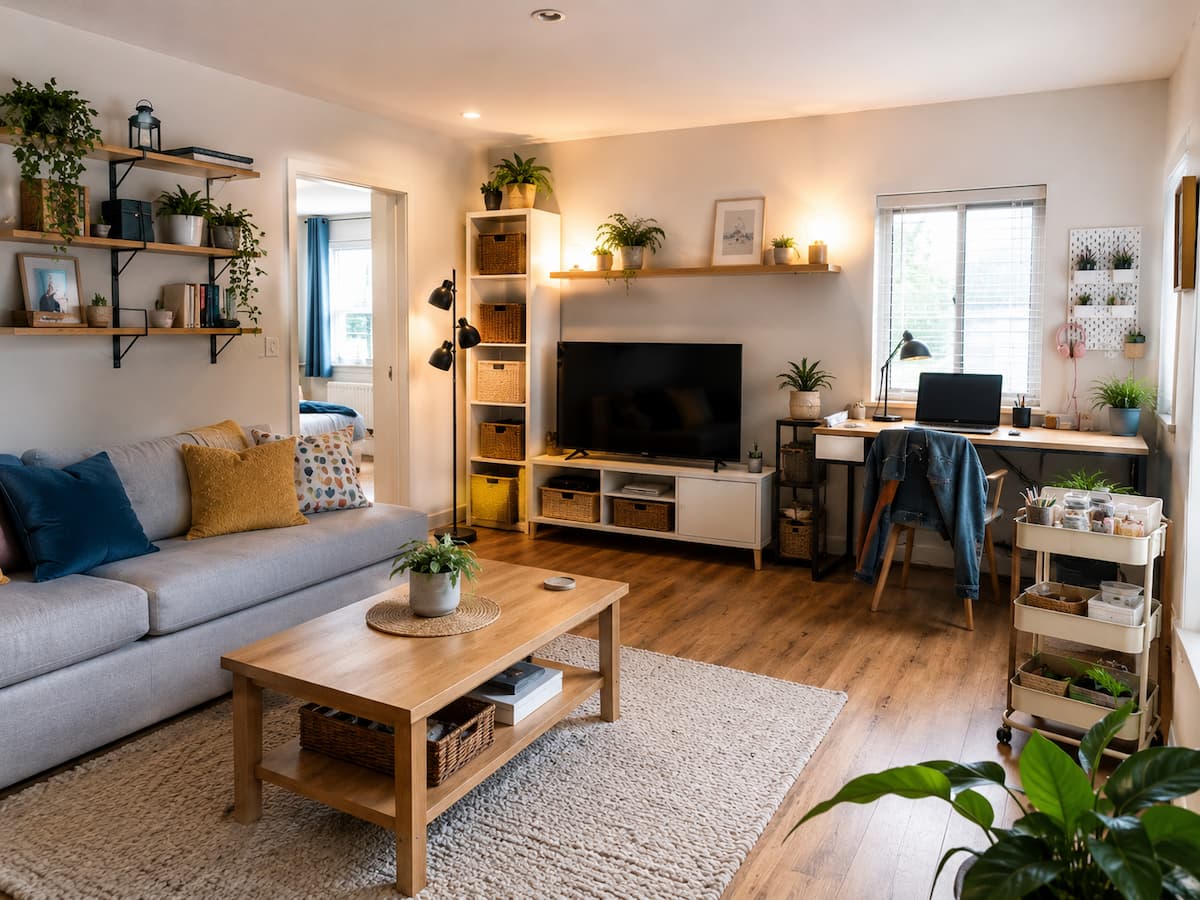
A comfortable home does not always require expensive renovations, professional designers, or a large construction budget. Many homeowners and renters improve their daily living experience by making small, thoughtful changes that solve common problems. You can often improve a poorly organized room, uncomfortable lighting, wasted storage space, high energy bills, or outdated daily routines with simple and affordable upgrades.
The challenge is knowing which improvements are worth your time and money. Some projects look attractive but provide little practical benefit, while others quietly make everyday life easier for years. Budget-friendly home improvements focus on creating a space that works better for the people who live there. They improve comfort, safety, organization, energy efficiency, and the overall feeling of a home without unnecessary spending. In this guide, you will learn how to plan affordable improvements, which areas usually provide the biggest impact, common mistakes to avoid, and practical ideas that beginners can apply. Whether you live in a house, apartment, or rental property, these strategies can help you create a more functional and enjoyable living environment.
Understanding What Makes a Home Improvement Valuable
Many people think home improvement means replacing expensive materials, remodeling entire rooms, or making dramatic visual changes. While large renovations can transform a property, they are not the only way to improve a home. A valuable improvement is one that solves a real problem, increases comfort, saves time, or prevents future issues.
For example, adding better lighting in a dark workspace may improve productivity more than buying expensive furniture. Installing simple shelves may create more daily convenience than replacing cabinets. Sealing small drafts around windows can make a room more comfortable and reduce energy waste. The best budget-friendly improvements usually have three qualities: they are affordable, they solve a specific need, and they provide benefits over a long period. Before starting any project, homeowners should ask a simple question: “What problem am I trying to fix?” This prevents spending money on changes that only look appealing temporarily.
| Type of Improvement | Main Benefit | Budget Level |
|---|---|---|
| Better lighting | Improves comfort and visibility | Low |
| Storage solutions | Reduces clutter and saves time | Low to Medium |
| Energy efficiency upgrades | Improves comfort and lowers waste | Low to Medium |
| Maintenance repairs | Protects the property | Low |
Tip: The most successful home improvements usually fix everyday frustrations rather than simply adding decoration.
Planning Budget-Friendly Improvements Before Spending Money
A common mistake with home improvement projects is buying materials before creating a clear plan. Without planning, costs can quickly increase, projects can remain unfinished, and you can spend money on unnecessary items. A simple improvement plan helps you focus on changes that provide the greatest value.
Start by walking through your home and making notes about areas that cause problems. Look for things that affect daily routines. Is the entryway always messy? Is the bedroom too dark? Does the kitchen lack useful storage? Are certain areas uncomfortable during hot or cold weather? These observations help identify improvements that actually matter.
Creating a Simple Improvement Priority List
A useful approach is to divide improvements into three categories: urgent, helpful, and optional. Urgent improvements include issues that may cause damage, such as leaks, damaged seals, or unsafe electrical problems. Helpful improvements make daily life easier, such as better storage or improved lighting. Optional improvements are mostly aesthetic changes.
Budget-friendly projects should usually begin with urgent and helpful improvements because they provide practical benefits. Painting a room may make it look better, but fixing poor insulation or improving organization may have a bigger impact on everyday life.
| Priority | Examples | Reason |
|---|---|---|
| High Priority | Fix leaks, repair damage, improve safety | Prevents bigger problems |
| Medium Priority | Add storage, improve lighting, update fixtures | Makes daily living easier |
| Low Priority | Decor changes, style updates | Improves appearance |
Improving Home Lighting for Better Comfort
Lighting is one of the easiest and most affordable ways to improve how a home feels. Poor lighting can make rooms appear smaller, create eye strain, and make everyday activities more difficult. A carefully planned lighting setup can improve comfort without requiring major electrical changes. Many homes rely on a single ceiling light in each room. While this approach provides basic illumination, it often creates shadows and does not support different activities. Adding affordable lamps, under-cabinet lights, or adjustable bulbs can create a more flexible environment.
Choosing the Right Lighting Approach
Different areas of a home need different types of lighting. A kitchen benefits from bright task lighting because people prepare food and clean surfaces there. A bedroom usually works better with softer lighting that creates a relaxing atmosphere. A home office requires enough brightness to reduce eye strain while working.
| Room | Useful Lighting Improvement |
|---|---|
| Kitchen | Under-cabinet lighting or brighter work areas |
| Living room | Multiple lamps instead of one strong light source |
| Bedroom | Warm and adjustable lighting options |
| Workspace | Focused desk lighting |
A frequently overlooked improvement is replacing old bulbs with efficient LED options. LEDs generally use less electricity and last longer than traditional bulbs, making them a practical choice for many households.
Creating Better Storage Without Major Renovations
Lack of storage is one of the most common problems in homes. When items do not have a proper place, rooms become cluttered, cleaning takes longer, and daily routines become frustrating. Fortunately, improving storage does not always require expensive cabinets or construction work. Small storage improvements can create significant changes. Adding shelves, using vertical wall space, organizing closets, and choosing furniture with built-in storage can help maximize existing space. The goal is not just to store more items but to make frequently used items easier to access.
Making Existing Space Work Better
Many homes have unused areas that can become practical storage zones. The space above doors, corners, cabinet interiors, and walls often provides opportunities for organization. For example, a small shelf near an entrance can become a useful place for keys, bags, and everyday items.
Another important step is reducing unnecessary items before adding storage solutions. Buying more containers without removing unused belongings can create hidden clutter instead of solving the problem.
| Storage Problem | Affordable Solution |
|---|---|
| Messy entryway | Hooks, baskets, small shelves |
| Limited kitchen space | Wall organizers and drawer dividers |
| Crowded closets | Seasonal organization and storage boxes |
Affordable Improvements That Reduce Energy Waste
Improving energy efficiency is one of the smartest budget-friendly home upgrades because it can improve comfort while reducing unnecessary energy use. Many homeowners assume that energy improvements require expensive solar panels, new windows, or major renovations. While those upgrades can be valuable, smaller changes often provide meaningful benefits at a much lower cost.
A sensible place to start is identifying where your home loses comfort. Rooms that feel too cold in winter, too hot in summer, or where outside air enters easily may have simple problems that you can correct. Small gaps around doors, windows, and vents can allow conditioned air to escape, making heating and cooling systems work harder.
Simple Energy Improvements for Beginners
Weatherstripping around doors, using curtains correctly, sealing small gaps, and improving insulation in accessible areas are examples of affordable improvements. These projects are usually easier than major remodeling and can make rooms feel more stable throughout the year.
| Improvement | Problem Solved | Difficulty Level |
|---|---|---|
| Door weatherstripping | Reduces drafts | Easy |
| LED lighting | Reduces electricity waste | Easy |
| Smart thermostat settings | Improves temperature control | Medium |
| Window coverings | Helps manage indoor temperature | Easy |
Another overlooked improvement is changing daily habits. Leaving lights on unnecessarily, running appliances when they are not needed, or ignoring regular maintenance can increase energy use. A combination of small home improvements and better routines often creates the best results.
Low-Cost Kitchen Improvements That Make Daily Tasks Easier
The kitchen is one of the most frequently used areas in any home, which means small improvements can have a noticeable effect on daily life. A kitchen does not need a complete renovation to become more functional. Many affordable upgrades focus on improving organization, convenience, and workflow. One of the most useful improvements is creating better access to items you use regularly. If cooking tools, spices, or ingredients are difficult to find, simple tasks become slower and more frustrating. Drawer organizers, shelf risers, and storage containers can help create a more efficient kitchen without changing the structure.
Improving Kitchen Function Without Remodeling
Consider how you move through your kitchen. The areas where you prepare food, clean dishes, and store supplies should work together. Small adjustments, such as placing frequently used items closer to preparation areas, can reduce unnecessary movement.
| Kitchen Issue | Affordable Improvement |
|---|---|
| Limited counter space | Use wall storage or movable organizers |
| Disorganized drawers | Add dividers and labeled sections |
| Dark work areas | Install simple task lighting |
| Unused cabinet space | Add shelf organizers |
A common mistake is buying storage products without measuring the available space first. A solution that looks useful in a store may not fit your kitchen properly. Measuring shelves, drawers, and cabinets before purchasing anything saves money and prevents unnecessary clutter.
Simple Bathroom Upgrades With Practical Benefits
Bathrooms are small spaces, but improvements here can significantly increase comfort and convenience. Since people use bathrooms every day, even minor upgrades can make their routines easier. The goal is not to create a luxury bathroom but to make the existing space cleaner, safer, and more functional. Replacing worn fixtures, improving storage, updating lighting, and organizing personal items are affordable ways to refresh a bathroom. A new shower curtain, better towel storage, or improved ventilation can change how the space feels without requiring expensive construction.
Bathroom Improvements Worth Considering
Good ventilation is one of the most important but often ignored improvements. Excess moisture can contribute to unpleasant odors, damaged surfaces, and maintenance problems. Keeping ventilation systems clean and using them properly helps protect the room.
| Improvement | Benefit |
|---|---|
| Better ventilation | Helps control moisture |
| Extra storage shelves | Keeps surfaces organized |
| Updated lighting | Improves visibility |
| New fixtures | Improves daily usability |
Small Maintenance Projects That Protect Your Home
Regular maintenance is one of the most valuable forms of home improvement because it prevents larger problems. Many homeowners focus only on appearance while ignoring small issues that can reduce the condition of a property over time. Maintenance improvements usually cost less than emergency repairs. Checking seals, cleaning filters, inspecting outdoor areas, and repairing minor damage early can protect your home and improve its long-term condition.
Important Maintenance Areas
- Check doors and windows for damaged seals.
- Clean air filters regularly according to manufacturer instructions.
- Inspect areas where water may collect.
- Repair small cracks before they become larger problems.
- Keep appliances clean and properly maintained.
A common mistake is waiting until something completely stops working before taking action. Preventive care usually requires less money, less time, and less stress than emergency repairs.
Improving Outdoor Spaces on a Budget
When planning home improvements, people often overlook outdoor areas, but even small changes can make them more enjoyable. A balcony, small yard, porch, or entrance area can become a more useful part of the home with simple upgrades. Affordable outdoor improvements include adding comfortable seating, improving lighting, organizing gardening supplies, or creating a cleaner entrance area. The purpose is not necessarily to create a large entertainment space but to make outdoor areas easier to use and maintain.
Budget-Friendly Outdoor Ideas
| Area | Improvement Idea |
|---|---|
| Entrance | Add better lighting and organization |
| Balcony | Use containers for plants and storage |
| Yard | Create simple seating or maintenance zones |
Before purchasing outdoor decorations, consider practical needs first. A clean, organized outdoor area often feels better than a crowded space filled with unnecessary items.
Using Smart Technology for Affordable Home Improvements
Smart home technology has become more affordable and accessible, allowing homeowners to improve convenience without major renovations. The most useful smart upgrades are usually those that solve simple daily problems rather than adding technology just for appearance. Smart bulbs, timers, energy monitoring devices, and simple automation tools can help people manage their homes more efficiently. For example, automated lighting schedules can reduce wasted electricity, while smart plugs can make controlling certain devices easier.
Choosing Useful Smart Upgrades
A common mistake is buying too many smart devices without considering whether they provide real value. Technology should support your lifestyle, not create unnecessary complexity. Start with one area that needs improvement and expand only if the system genuinely helps.
| Smart Upgrade | Useful For |
|---|---|
| Smart bulbs | Lighting control |
| Smart plugs | Managing selected devices |
| Energy monitors | Understanding electricity use |
FAQs
1. Which home renovations offer the best value for money?
Improving lighting, increasing storage space, decluttering, sealing gaps, and performing simple maintenance are among the most cost-effective yet impactful renovation options. These measures can sometimes improve living comfort and daily convenience more than major remodels. The best option for your home depends on the specific issues it faces.
2. Should I prioritize aesthetics or functionality?
In most cases, functionality should come first. Even a beautiful home can be frustrating if there are issues with storage, lighting, or maintenance. Once you address practical problems, decorative upgrades become more valuable because they enhance the functionality of your existing home. home.
3. What affordable home renovations are available for renters?
Yes. Better lighting, installing storage systems, adding temporary furniture, adopting energy-efficient habits, and using portable storage solutions are all excellent options for renters. Walls, electrical systems, and fixtures fall under the scope of what a tenant can inspect and modify within the terms of the lease.
4. How can I best prioritize my home renovation projects?
Start by addressing the most common issues or preventing potential hazards. Make a list of all recurring problems and prioritize them. The most valuable projects are usually those that improve safety, comfort, cleanliness, or energy efficiency.
5. Is it always more cost-effective to do the work yourself?
If you have the skills and the time, doing the work yourself is a great way to save money. Some jobs are simple and safe, even for beginners, while others require professional help. Before you start, it is important to know your own capabilities, as mistakes during repairs can lead to unexpected costs.
6. How can I spruce up my home without spending too much money?
Don’t buy products before identifying the problems you want to solve. Explore all the options, assess the available space, and focus on upgrades that offer long-term benefits. A well-thought-out strategy usually yields better results than impulsively buying trendy items.
Conclusion
Minimalist home renovations don’t have to involve drastic changes or a fortune in spending. The key lies in making deliberate choices that improve your quality of daily life. Small improvements—such as smarter storage solutions, better lighting, increased energy efficiency, and easier routine maintenance—can make your home more comfortable and easier to maintain.
Once you understand your needs, you can begin the right renovations. Instead of blindly following expensive renovation trends, focus on aspects that truly impact your daily life. A pragmatic approach allows for small home upgrades without exceeding your budget. Whether you start with a single project or develop a comprehensive renovation plan, every subtle adjustment can enhance the functionality, comfort, and enjoyment of your living space.
References
- U.S. Department of Energy – Energy efficiency and home improvement guidance
- Environmental Protection Agency (EPA) – Indoor air quality and home maintenance information
- National Association of Home Builders (NAHB) – Residential construction and remodeling resources
- ENERGY STAR – Home energy-saving recommendations
- U.S. Consumer Product Safety Commission – Home safety information

ZapKido Editorial Team creates practical guides covering digital life, productivity, everyday technology, smart home solutions, and home organization. Our content focuses on clear explanations, useful settings, practical habits, and straightforward solutions that readers can apply in everyday situations. We aim to make technology and everyday tasks easier to understand without unnecessary complexity.