
How to Save More Money and Avoid Common Spending Mistakes
Developing more responsible spending habits does not necessitate advanced economic literacy. Modest adjustments, like keeping track of your spending, setting reasonable boundaries, and avoiding typical pitfalls, can have a big impact. You can save more money without sacrificing the things you love with this practical approach. This course will teach you to recognize when you’re spending too much, how to set up a savings plan that actually works, how to make more informed purchases, and how to form routines that will help you build wealth over time.
All kinds of people can benefit from these beginner-friendly tactics, whether you’re aiming to save up for an emergency, cut back on frivolous spending, or just gain financial confidence.
Understanding Why Saving Money Feels Difficult
Many people assume saving money is only about earning more, but income is just one part of the picture. Two people with the same salary can have completely different financial situations because their spending decisions, priorities, and habits are different. Saving becomes easier when you understand the reasons behind your spending behavior.
Modern life creates many opportunities to spend money quickly. Online shopping, subscription services, food delivery apps, and digital payments make purchasing easier than ever. While these tools are convenient, they can also make it harder to notice how much money leaves your account each month.
One of the biggest challenges is that spending decisions are often made automatically. For example, someone may continue paying for a streaming service they rarely use, buy coffee every morning without thinking about the monthly cost, or upgrade devices before the current one stops working. These individual choices may seem small, but repeated over months or years, they can significantly affect savings.
Saving Is About Building Awareness First
Before changing your financial habits, you need to understand your current situation. Many people try to save by immediately cutting expenses without knowing where their money is actually going. This approach often fails because it feels restrictive and unrealistic. A better approach is to start with awareness. Look at your income, regular bills, daily purchases, and financial goals. When you understand your patterns, you can make intentional decisions instead of reacting to expenses as they appear.
Track Your Spending Before Making Changes
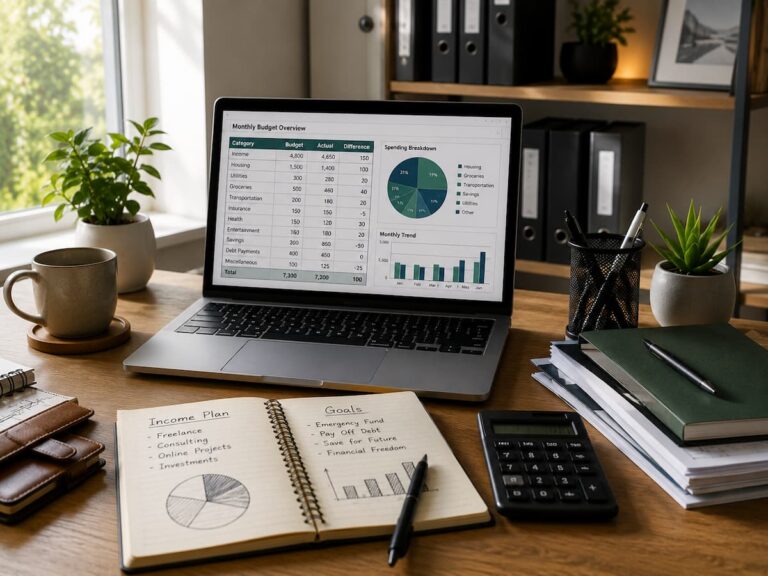
Expense tracking is one of the simplest and most useful money habits, especially for beginners. It shows you exactly how much you spend and helps identify areas where adjustments are possible. Without tracking, many people underestimate their spending because small purchases are easy to forget. You do not need complicated financial software to begin. A simple notebook, spreadsheet, or budgeting app can help you record purchases. The goal is not to judge every expense but to collect accurate information.
What to Track
| Category | Examples | Why It Matters |
|---|---|---|
| Fixed Expenses | Rent, mortgage, insurance, loan payments | These costs affect your monthly financial foundation |
| Variable Expenses | Food, transportation, entertainment | These areas usually offer more flexibility |
| Small Purchases | Coffee, snacks, online purchases | Small expenses can add up over time |
| Subscriptions | Apps, memberships, digital services | Unused subscriptions can waste money |
Try tracking expenses for at least one month before making major changes. This gives you a realistic picture of your habits. For example, you may discover that eating outside is not the biggest problem, but frequent online purchases are affecting your budget more than expected.
Common Tracking Mistakes
A common mistake is only recording large purchases while ignoring small expenses. Another mistake is tracking spending for only a few days and assuming the information represents your normal habits. Financial patterns become clearer when you observe them over a longer period. Expense tracking should be a learning process, not a punishment. The purpose is to help you make better choices with accurate information.
Create a Simple Budget That You Can Actually Follow
A budget is a plan for how you will use your money before you spend it. Many people avoid budgeting because they believe it means removing all enjoyable spending. A realistic budget does the opposite. It gives you control while allowing space for important needs and personal enjoyment. The best budget is not the one with the most restrictions. It is the one you can follow consistently. A complicated system may look impressive but can become difficult to maintain.
A Beginner-Friendly Budget Structure
| Money Area | Purpose |
|---|---|
| Essential Costs | Covers housing, food, transportation, utilities, and necessary payments |
| Savings | Builds emergency funds and future financial security |
| Personal Spending | Allows entertainment, hobbies, and flexible purchases |
| Financial Goals | Supports goals such as debt reduction or major purchases |
A useful budgeting method is to divide money into categories based on your personal situation rather than copying someone else’s exact percentages. Everyone has different responsibilities, costs, and priorities.
Make Your Budget Flexible
Unexpected expenses happen. A good budget includes room for changes instead of assuming every month will be perfect. If your budget is too strict, one unexpected cost can make you abandon the entire system.
Common Spending Mistakes That Reduce Your Savings
Many financial problems are caused by repeated habits rather than one-time decisions. Recognizing common mistakes can help you prevent unnecessary money loss and improve your ability to save.
- Ignoring Small Recurring Expenses
- Buying Based on Temporary Feelings
- Using Convenience Too Often
Develop Smarter Shopping Habits
Shopping is a normal part of life, but smarter decisions can help you save money without avoiding purchases completely. The goal is not to stop spending but to make sure your spending matches your needs and values.
Compare Before Buying: Before purchasing expensive items, compare prices, features, warranties, and long-term value. The cheapest option is not always the best choice, but paying more does not automatically mean better quality.
Create a Waiting Period: A simple strategy is to wait before buying non-essential items. For smaller purchases, wait a day. For larger purchases, consider waiting a week or longer. This gives you time to decide whether the purchase is truly useful or simply an impulse.
Focus on Value Instead of Price Alone: A low-priced product that needs frequent replacement may cost more over time than a durable option. Consider how often you will use something, how long it will last, and whether it solves a real problem.
Use Automatic Saving Systems
One of the easiest ways to save more money is to remove the need for constant decision-making. Many people plan to save whatever money remains at the end of the month, but this approach often fails because spending usually expands to match available income. Automatic saving changes the process by moving money toward your goals before you have a chance to spend it.
Most banks allow customers to set up automatic transfers between accounts. You can schedule a specific amount to move into savings after receiving your paycheck or income. Even a small amount saved consistently can help create a strong financial habit over time.
Why Automatic Saving Works
| Method | How It Works | Benefit |
|---|---|---|
| Automatic transfers | Money moves to savings on a schedule | Reduces the temptation to spend it |
| Separate savings account | Keeps savings away from daily spending money | Makes financial goals easier to track |
| Percentage-based saving | A fixed portion of income is saved regularly | Adjusts naturally when income changes |
The amount you save matters less than creating consistency. Someone who saves a small amount every month often develops better financial discipline than someone who saves large amounts occasionally without a system.
Managing Emotional and Impulse Spending
Not every spending decision is based on logic. People often buy things because they are bored, stressed, tired, excited, or influenced by advertising. Understanding emotional spending patterns can help you make better decisions without feeling restricted. Impulse spending usually happens quickly. A person sees a product, feels an immediate desire to own it, and completes the purchase before thinking about the consequences. Online stores make this easier by offering saved payment details, one-click purchases, and constant promotions.
Ways to Reduce Impulse Purchases
Creating small barriers between yourself and a purchase can make a big difference. Removing saved payment information, unsubscribing from unnecessary marketing emails, and avoiding shopping when emotional can reduce unnecessary spending.
| Situation | Common Reaction | Better Response |
|---|---|---|
| Feeling stressed | Buying something for comfort | Try a free relaxing activity first |
| Seeing a discount | Buying because it feels like a deal | Ask if you needed it before the sale |
| Feeling bored | Browsing online stores | Choose another activity instead |
The goal is not to remove enjoyment from your life. Responsible spending includes spending on things that matter to you. The key difference is choosing purchases intentionally rather than making decisions automatically.
Reduce Regular Expenses Without Lowering Quality of Life
Many people focus only on cutting small purchases while ignoring larger recurring expenses. Reviewing your regular bills can often create meaningful savings because these costs repeat every month. This does not mean removing everything enjoyable. Instead, it means checking whether your current expenses still match your needs. Many people continue paying for services, plans, or memberships they no longer use.
Areas Worth Reviewing
| Expense Area | Questions to Ask |
|---|---|
| Subscriptions | Do I use this service often enough to justify the cost? |
| Insurance | Have my needs changed since I selected this plan? |
| Mobile and internet plans | Am I paying for features I rarely use? |
| Energy usage | Can I reduce waste through better habits? |
Small improvements in recurring costs can create long-term benefits because the savings continue month after month. However, avoid cutting important expenses that protect your health, safety, or financial stability.
Set Clear Financial Goals
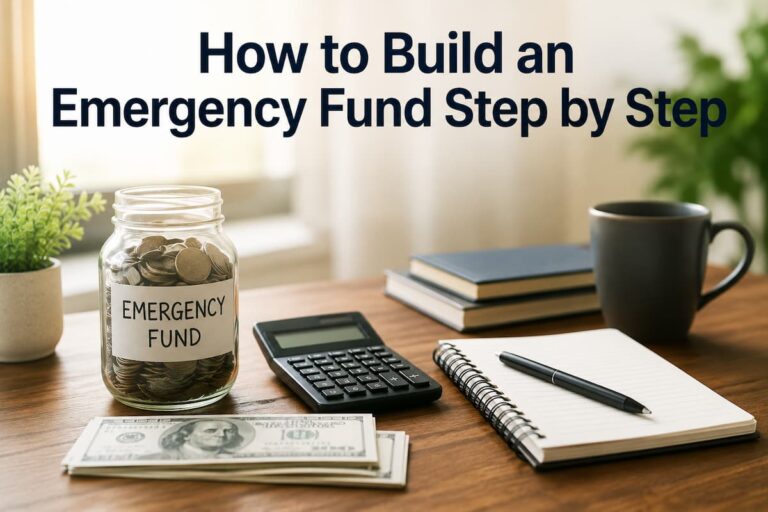
Saving becomes easier when you know exactly why you are saving. A general goal like “I want to save more money” is difficult to measure. A specific goal creates direction and motivation. Financial goals can be short-term, medium-term, or long-term. A short-term goal might be building a small emergency fund. A medium-term goal could involve saving for education, travel, or a major purchase. Long-term goals may include retirement planning or financial independence.
Examples of Clear Saving Goals
| Goal | Example Plan |
|---|---|
| Emergency savings | Save a fixed amount each month until reaching your target |
| Large purchase | Set aside money instead of relying on credit |
| Debt reduction | Create a regular payment strategy |
Breaking large goals into smaller steps makes them easier to achieve. Saving for a large amount can feel overwhelming, but smaller monthly targets create progress you can see.
Building Money Habits That Last
Saving money is not only a financial activity. It is also a habit-building process. Long-term success usually comes from repeated small actions rather than occasional major changes. A strong money routine includes checking your finances regularly, planning upcoming expenses, and adjusting your strategy when circumstances change. Your budget does not need to remain exactly the same forever. Life changes, and your financial system should adapt.
Helpful Money Habits
- Review your spending regularly.
- Plan purchases instead of making rushed decisions.
- Keep savings separate from daily spending money.
- Learn from mistakes instead of ignoring them.
- Celebrate progress without creating unnecessary expenses.
Conclusion
Saving more money is not about making your life uncomfortable or avoiding every purchase. It is about understanding your financial habits and making decisions that support your priorities. Small changes, such as tracking expenses, creating a realistic budget, reducing unnecessary costs, and automating savings, can create meaningful improvements over time.
The most important step is starting with a system you can maintain. Perfect financial decisions are not required. Consistent awareness and better choices can help you build stronger money habits and avoid common spending mistakes. By focusing on intentional spending and regular saving, you can create more control over your finances and prepare yourself for future goals with greater confidence.
FAQs
1. How often should I save money?
Because everyone has different goals, income, and costs, there is no one amount that works for everyone. You should start by setting aside a certain amount of money each month that you can stick to without having to worry about money. You can slowly raise the amount you save as your income or costs go up or down.
2. Why do I feel like I haven’t made any progress even though I’m saving money?
When you only think about the end goal, progress can feel slow. Saving money takes time, and even small changes can add up. You can see how much better things are getting by keeping track of your progress, setting clear goals, and checking in on your finances often.
3. Must I give up things I enjoy in order to save money?
No, cutting out all spending on fun things usually makes people angry and makes it harder to stick to a budget. Planning your spending is a better way to go. Include money for things and activities that are important to you while cutting back on costs that don’t help you in any way.
4. What is the worst thing that people do when they first start saving money?
Making plans that are too ambitious is a common mistake. Many times, people try to cut too many costs at once or save too much to keep up. Most of the time, a realistic method with steady progress works better than a strict plan that quickly stops being possible.
5. How can I resist buying things I don’t need?
Setting a time limit on when you can buy non-essential items is a good idea. Getting rid of saved payment information, making shopping lists, and asking yourself if an item will help you reach your goals can also help you stop spending money you don’t need to.
References
- Consumer Financial Protection Bureau (CFPB) – Financial education resources and budgeting guidance:
https://www.consumerfinance.gov/ - U.S. Securities and Exchange Commission (SEC) – Investor education and personal finance resources:
https://www.investor.gov/ - Federal Trade Commission (FTC) – Consumer advice and money management information:
https://consumer.ftc.gov/ - University of California Cooperative Extension – Personal finance education resources:
https://ucanr.edu/

Abdul Rahman is a digital lifestyle writer and researcher who focuses on productivity, smart technology, personal finance, and practical home improvement tips. Through ZapKido, he shares simple, beginner-friendly guides designed to help readers build smarter habits, improve daily efficiency, and live a more organized digital life.