
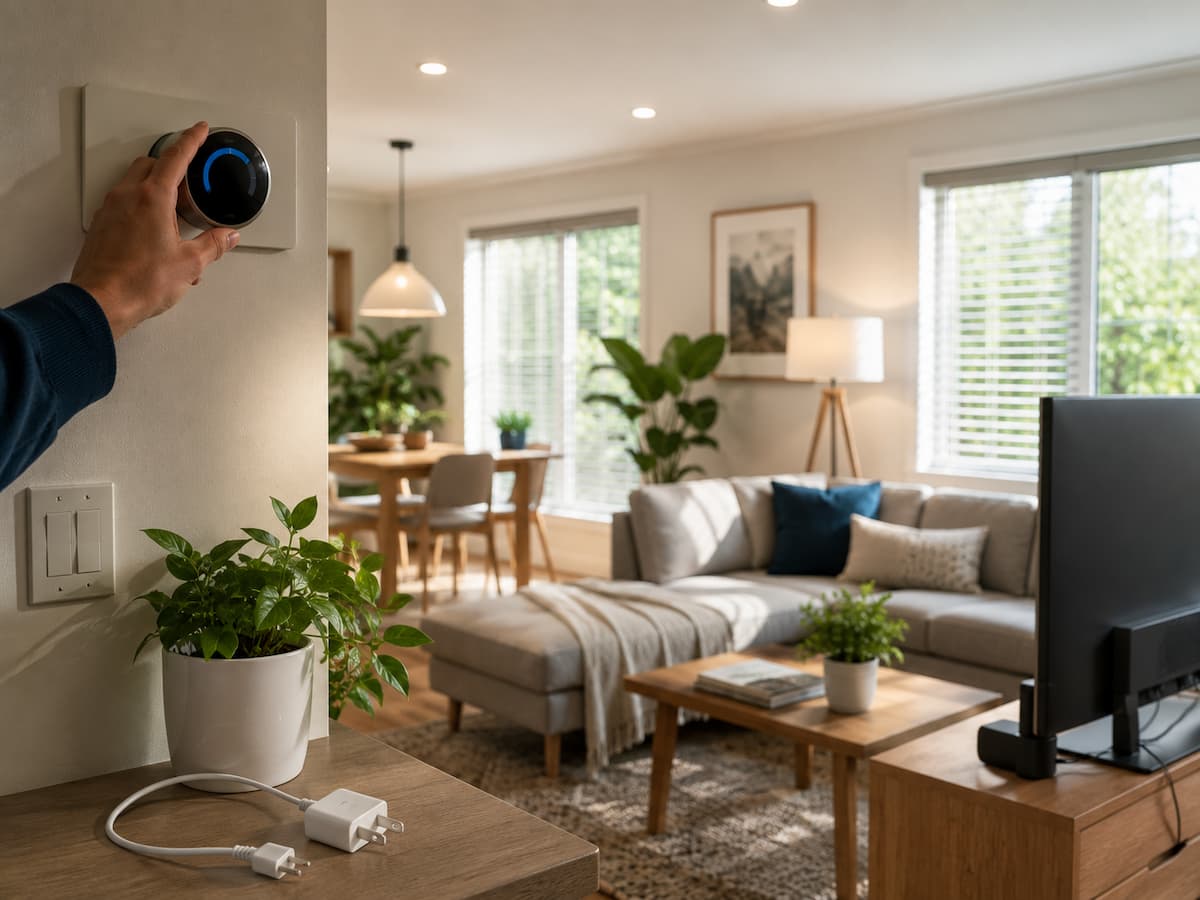
Simple changes are often easier to sustain because they fit naturally into our daily lives. Turning off unused appliances, adjusting temperature settings, and using devices more efficiently—these seemingly small actions can become habits over time. An energy-conscious household typically achieves these goalsthis not at the expense of comfort but through the more rational management of resources.
Understand Where Energy Is Used in Your Home
Before changing habits, it helps to understand how energy is used around the house. Many people assume one specific appliance is responsible for most of their energy use, but household consumption usually comes from several areas working together. Heating and cooling systems often require significant energy because they maintain indoor temperatures for long periods. Water heating, refrigeration, cooking appliances, lighting, and electronic devices also contribute to daily consumption. The exact balance depends on the climate, home design, appliance efficiency, and personal routines.
One of the easiest ways to become more aware is to observe your patterns. Notice which devices run continuously, which appliances are used frequently, and which habits happen without much thought. For example, a television that remains on in an empty room or a computer running all night may not seem important, but repeated unnecessary use creates avoidable consumption.
Energy monitoring tools can provide more detailed information, but beginners can start without any special equipment. Simply paying attention to daily routines often reveals several opportunities for improvement. The purpose of understanding energy use is not to create stress or track every small action. It is to identify where simple adjustments can have the biggest impact.
Use Lighting More Efficiently Without Making Your Home Dark
Lighting is one of the easiest areas where people can reduce unnecessary energy usage because changes require very little effort. A room does not need to be brightly lit when natural light is already available, and many lights remain switched on simply because turning them off becomes an overlooked habit. Making better use of daylight is a simple first step. Opening curtains or blinds during the day can reduce the need for artificial lighting while also making indoor spaces feel more comfortable. Positioning work areas near windows can also help because tasks such as reading or working often require less additional lighting.
Replacing older bulbs with efficient LED options is another practical improvement. LED bulbs generally use less electricity and last longer than traditional incandescent bulbs. However, replacing every bulb immediately is not necessary for many households. Gradually changing frequently used lights can be a more manageable approach.
Another useful habit is matching lighting to the activity. A small reading lamp may be more practical than illuminating an entire room, and outdoor lights do not always need to remain active throughout the night. The biggest improvement often comes from being simply aware. Turning off lights when you leave a room takes only a moment, but it prevents energy use when nobody benefits from it.
Reduce Hidden Energy Waste From Everyday Electronics
Modern homes contain many electronic devices that make life easier, but some continue using energy even when they appear to be turned off. Chargers, televisions, gaming consoles, computers, and other electronics may use small amounts of electricity while waiting in standby mode. This type of energy use is sometimes called standby power or idle power. The amount used by a single device may be small, but homes often contain many devices connected at the same time. Over long periods, these small amounts can become a noticeable part of overall electricity use.
A simple solution is developing the habit of disconnecting devices that are not needed regularly. For example, a guest room television, spare charger, or rarely used kitchen appliance does not always need to remain connected when inactive.
Power strips can make this easier by allowing several related devices to be switched off together. A home office setup is a good example. A computer, monitor, speakers, and accessories can often be connected to one power strip and turned off after work is finished. However, not every device should be unplugged constantly. Some equipment, such as certain internet devices or systems that need scheduled updates, may need continuous power. The goal is to remove unnecessary energy use without creating inconvenience.
Improve Heating and Cooling Habits Before Changing Your System
Heating and cooling are major parts of household energy use because they often operate for many hours. Small changes in how these systems are used can improve efficiency without requiring immediate equipment replacement. One common mistake is setting temperatures much lower or higher than necessary and expecting the system to correct the difference quickly. This can cause the equipment to work harder while providing only a temporary comfort improvement.
A more balanced approach is maintaining comfortable settings and adjusting them when the home is empty or when people are sleeping. Even small changes in temperature settings can reduce unnecessary operation over time.
Air mohelp you make better use of the energy you are already consumingortable fans when appropriate can make a room feel cooler without lowering the thermostat as much. Fans do not actually reduce room temperature, but they can improve comfort by helping air circulate around people. Regular maintenance matters as well. Cleaning filters, keeping vents clear, and ensuring heating and cooling equipment can operate properly helps systems work more efficiently. A neglected system may consume more energy while providing weaker results.
Create Smarter Kitchen Habits to Avoid Unnecessary Energy Use
The kitchen is one of the busiest areas in many homes, and small changes in cooking and appliance habits can reduce energy waste without affecting the quality of meals. Many energy-saving opportunities come from using appliances in a more intentional way rather than changing what you cook. For example, opening the refrigerator door repeatedly while deciding what to take out allows cold air to escape and forces the appliance to work harder to restore the temperature. A simple habit like deciding what you need before opening the door can reduce unnecessary cooling cycles.
Cooking methods also influence energy use. Using the correct size of cookware for a burner helps transfer heat more efficiently, while covering pots and pans can reduce cooking time in many situations. These small adjustments make better use of the energy already being consumed. Appliance loading habits matter too. Running a dishwasher or washing machine only when there is a full load can reduce the number of cycles needed. However, overloading appliances can prevent them from working properly, so finding the right balance is important.
Another useful habit is allowing appliances to complete their purpose efficiently. For example, keeping a freezer properly organized makes it easier to locate items quickly and prevents unnecessary door opening. Effective organization often saves energy because appliances spend less time recovering from repeated interruptions.
Use Water More Carefully to Reduce Energy Consumption
Many people see water conservation and energy conservation as separate topics, but they are closely connected. In many homes, energy is required to heat, move, and treat water. Reducing unnecessary water use can also reduce the energy needed to provide that water. Hot water is one area where daily habits can make a difference. Long showers, leaving taps running while performing simple tasks, or using hot water when cold water would work can increase energy demand from water heaters.
This does not mean avoiding comfortable routines. Small changes, such as shortening shower time slightly, turning off the tap while brushing teeth, or washing clothes with cooler water when appropriate, can reduce waste while maintaining normal household activities.
Laundry habits are another opportunity. Washing clothes with suitable loads and avoiding unnecessary extra cycles helps reduce both water and electricity use. Many modern washing machines clean effectively with less water, but you still need to use them efficiently. Water heating systems also benefit from proper maintenance. Checking settings, preventing unnecessary heat loss, and following manufacturer recommendations can help the system operate effectively.
Make Energy-Saving Habits Automatic Through Better Routines
The greatest challenge with reducing energy usage is not understanding what to do. It is important to remember to do it consistently. Habits that require constant effort are difficult to maintain, while habits connected to existing routines are more likely to become automatic. For example, turning off unnecessary electronics can become part of a leaving-home routine. Checking lights, adjusting the thermostat, and closing curtains during hot afternoons can become part of daily activities that already happen.
Smart home technology can also support these habits, but it does not need to be complicated. Timers, smart plugs, and automated settings can help manage certain devices when used correctly. However, technology works best when it supports effective habits rather than replacing awareness completely.
A simple approach is to change one habit at a time. Trying to redesign every part of household energy use overnight can feel overwhelming. Choosing one area, improving it, and then moving to another creates a more sustainable process. The purpose of these routines is not perfection. A household that consistently makes small improvements will usually achieve better results than one that attempts major changes but cannot maintain them.
Maintain Appliances So They Continue Working Efficiently
Energy efficiency is not only about how appliances are used. It is also about how they are maintained. A device that is dirty, damaged, or poorly maintained may need more energy to perform the same task. Simple maintenance tasks can prevent unnecessary energy use. Cleaning refrigerator coils when recommended, replacing air filters, removing dust from ventilation areas, and checking appliance seals can help equipment operate properly.
For refrigerators and freezers, damaged door seals can allow cold air to escape. The appliance then has to run more frequently to maintain the desired temperature. Similar issues can also occur with heating and cooling systems when you neglect the filters or vents.
It is also useful to pay attention to unusual changes. A device that makes strange sounds, runs longer than normal, or performs poorly may need maintenance. Addressing problems early can prevent bigger issues later. Regular care also extends the useful life of appliances. Replacing equipment less frequently can reduce waste and avoid the environmental impact associated with manufacturing and disposing of unnecessary replacements.
Reduce Energy Usage Without Making Daily Life Difficult
Energy reduction works best when it fits into real life. A plan that requires constant attention or uncomfortable sacrifices is unlikely to last. The most effective habits are usually simple actions that become part of normal routines. Turning off unused lights, managing electronics, using appliances efficiently, and paying attention to heating and cooling habits may seem like small actions individually. Their value comes from their repetition. A habit performed every day has a much greater effect than a one-time effort.
It is also important to remember that every home is different. Someone living in a warm climate may focus more on cooling habits, while someone in a colder area may pay more attention to heating. Apartment residents, homeowners, and families may all have different opportunities for improvement.
The goal is not to create a strict list of rules. The goal is to develop awareness of how energy is used and to make better choices where possible. Small improvements can make a home more efficient while keeping the comfort and convenience people expect. Reducing energy usage is ultimately about using resources thoughtfully. When efficient choices become normal parts of daily life, saving energy becomes less of a task and more of a natural routine.
FAQs
1. What is the easiest energy-saving habit to adopt?
One of the easiest improvements you can make is to cut down on needless electricity use from lights and electronics. Turning gadgets off when not needed needs minimal investment and can easily be incorporated into a regular practice.
2. Do energy-saving habits require costly equipment?
No. There are plenty of simple adjustments that are more about habit than buying. You may cut the energy you consume without buying new equipment, simply by using appliances properly, improving routines, and minimizing waste.
3. When I leave home, should I unplug everything?
No. Some devices need a constant power supply to operate correctly. Look for electronics that you use infrequently or that waste standby power unnecessarily. Do not unplug vital equipment without knowing what it does.
4. Can simple daily actions really help us cut energy consumption?
Yes. Energy utilization is a product of repeated activity over time. Small acts taken on a regular basis have the potential to influence total household consumption since they happen on a daily basis.
5. What are the best options for saving energy in my home?
Begin by observing your habits and pinpointing where you regularly expend energy. The first places to review are heating, cooling, water heating, appliances & gadgets.

ZapKido Editorial Team creates practical guides covering digital life, productivity, everyday technology, smart home solutions, and home organization. Our content focuses on clear explanations, useful settings, practical habits, and straightforward solutions that readers can apply in everyday situations. We aim to make technology and everyday tasks easier to understand without unnecessary complexity.